
Discovering Bee-Derived Sustainable Products: Nature’s Tiny Eco Warriors
If you’ve ever stopped to think about how much bees do for us, you’re in for a treat. These little buzzing buddies are not just about honey (though, let’s be honest, honey is pretty amazing). They create a whole range of natural goodies that are not only delicious and useful but also super eco-friendly. Today, I’m diving into the world of bee-derived sustainable products and why they’re a win-win for us and the planet.
Bees are tiny superheroes in the ecosystem. They pollinate plants, help grow our food, and produce some incredible natural products. And the best part? These products come with a low environmental footprint, making them perfect for anyone who cares about sustainability. So, let’s get into the buzz about these natural treasures!
Why Bee-Derived Sustainable Products Are a Game Changer
When we talk about sustainability, it’s all about using resources that don’t harm the environment and can be replenished naturally. Bee-derived products fit this bill perfectly. Here’s why:
Renewable and natural: Bees produce their goods naturally without synthetic chemicals or heavy machinery.
Supports biodiversity: Healthy bee populations mean thriving ecosystems.
Reduces waste: Many bee products, like beeswax wraps, replace single-use plastics.
Local and small-scale: Often harvested by local beekeepers, supporting community economies.
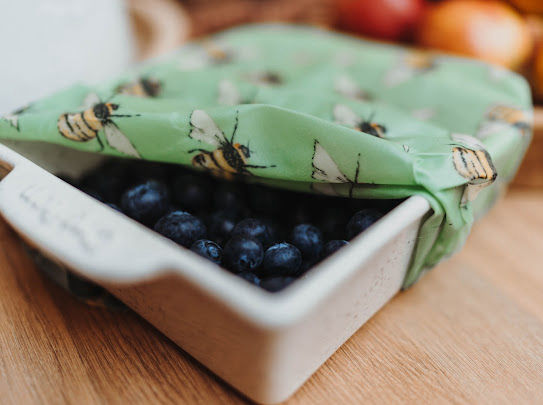
I love how these products connect us directly to nature. For example, beeswax food wraps are a brilliant alternative to cling film. They’re reusable, biodegradable, and keep your food fresh without the plastic guilt. Plus, they smell lovely and have a natural antibacterial quality!
What Products Are Made From Bees?
You might think honey is the only thing bees give us, but oh no, there’s so much more! Here’s a quick rundown of the most popular natural products made by bees:
Honey: The classic sweetener, packed with antioxidants and enzymes.
Beeswax: Used in candles, cosmetics, and food wraps.
Propolis: A resinous mixture bees use to seal their hives, great for immune support.
Royal Jelly: A nutrient-rich secretion fed to queen bees, often used in skincare.
Bee Pollen: Collected from flowers, it’s a superfood full of vitamins and minerals.
Each of these products has unique benefits and uses, and they all come from the same hardworking little insects. What’s even cooler is how these products contribute to sustainable living. For instance, beeswax is a fantastic natural alternative to plastic in many household items.

How Bee Products Help the Environment
You might wonder, “Okay, but how do these products actually help the environment?” Great question! Here’s the lowdown:
Pollination Power
Bees pollinate about 75% of the world’s flowering plants, including many crops. Without them, our food supply would be in serious trouble. Supporting bee products means supporting the bees themselves.
Less Plastic Waste
Beeswax wraps and bags are reusable and compostable. Switching to these from plastic wrap cuts down on landfill waste and ocean pollution.
Chemical-Free Farming
Beekeeping often goes hand-in-hand with organic and chemical-free farming practices. This means fewer pesticides and healthier soil.
Carbon Footprint Reduction
Local beekeeping reduces the need for long-distance transport of products, lowering carbon emissions.
By choosing bee-derived products, you’re not just getting something natural and beautiful—you’re actively helping the planet. It’s a small change with a big impact.
How to Incorporate Bee Products Into Your Daily Life
If you’re excited to try these products (and I hope you are!), here are some easy ways to bring them into your routine:
Swap out plastic wrap for beeswax food wraps: Use them to cover bowls, wrap sandwiches, or store cheese.
Add honey to your tea or baking: It’s a natural sweetener with health benefits.
Use beeswax candles: They burn cleaner and longer than paraffin candles.
Try propolis tinctures or creams: Great for soothing minor cuts or boosting immunity.
Include bee pollen in smoothies or cereals: A tasty nutrient boost.
Remember, when buying bee products, look for local and sustainable sources. This supports ethical beekeeping and ensures you’re getting the best quality.
The Buzz About Supporting Local Beekeepers
One of the best parts about bee products is the connection to local communities. Buying from local beekeepers means you’re supporting small businesses and sustainable practices. Plus, you get to learn more about the bees and their environment.
Places like Park Farm Cottage in Sussex are fantastic examples. They produce handmade beeswax food wraps and bags, all crafted with care and a deep respect for the bees. Their approach highlights how sustainable bee products can be both practical and beautiful.
Supporting local also means fresher honey and products that haven’t travelled thousands of miles. It’s a win for you and the planet!
If you want to explore more about Natural products made by bees, check out their range and see how you can make your lifestyle a little greener with bee goodness.
Bee-derived sustainable products are more than just a trend—they’re a lifestyle choice that benefits us and the environment. From delicious honey to eco-friendly beeswax wraps, these natural treasures remind us how amazing nature can be when we work with it, not against it.
So next time you’re looking for a sustainable swap or a natural treat, think about the humble bee. They’ve got your back!

Ready to make a difference? Start small, choose bee products, and watch how your eco-friendly choices add up. The planet—and the bees—will thank you!


Comments